If you have been asking what SMS marketing software is, you are already looking at one of the most direct ways to reach customers on their phones. This software helps you send promotional texts, automated reminders, sales alerts, customer updates, and personalized messages at scale without turning your workflow into a manual mess.
When you understand how it works, you can use it to improve response times, recover lost sales, and build stronger customer relationships with messages people actually notice.
What SMS Marketing Software Means For Your Business
SMS marketing software is a platform that lets you create, manage, schedule, automate, and measure text message campaigns sent to people who have agreed to hear from your business. Instead of sending one message at a time from a personal phone, you use dashboards, templates, contact lists, automation rules, and reporting tools to run text campaigns in a structured way.
If you also want a practical look at sms automation that grows ecommerce businesses and revenue, that topic fits naturally here because strong SMS systems are built to turn timely customer messages into measurable sales rather than random outreach.
How SMS Marketing Software Actually Works
Most platforms begin with list building, which means collecting consent through forms, pop-ups, checkout boxes, keyword opt-ins, or lead capture pages tied to your website and campaigns. Once a subscriber joins, the software stores the contact, organizes audience data, and lets you send either one-time broadcasts or automated flows based on customer behavior, purchase history, or timing rules.
The best systems also handle delivery tracking, opt-out processing, short code or long number management, segmentation, compliance settings, and performance reporting in one place.
Why Businesses Use SMS Instead Of Email Alone
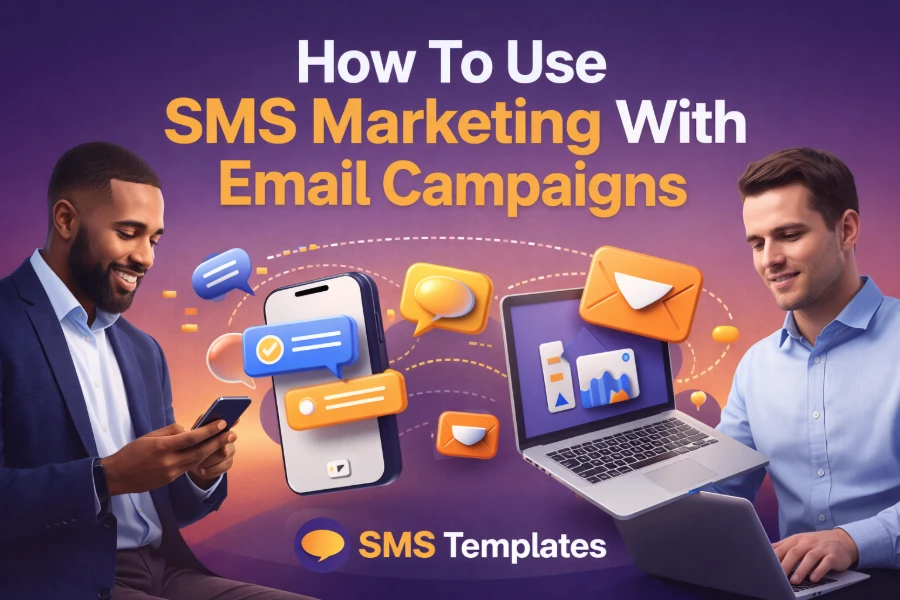
Businesses use SMS because text messages are immediate, personal, and hard to ignore when compared with crowded email inboxes and unpredictable social media reach. That does not mean SMS replaces email, because the smartest strategy is usually to pair short mobile-first messages with longer email content, landing pages, and product pages that complete the customer journey. The logic is similar to how content teams compare tools in pieces like 12 leading content generators, since the goal is not to use one channel for everything but to choose the right tool for the right moment.
The Main Features You Should Expect To See
A strong SMS marketing platform usually includes contact management, segmentation, scheduling, personalization, automation flows, templates, link tracking, analytics, and compliance tools. More advanced products also support two-way messaging, cart abandonment texts, click-to-text buttons, QR code signups, MMS support, A/B testing, API access, and integrations with ecommerce or CRM platforms. That is why broader workflow thinking matters, and articles such as uses of content generator tools and reasons to use them make sense in the same discussion because businesses now expect one system to support many practical marketing tasks, not just one isolated action.
Which Types Of Messages You Can Send
You can use SMS marketing software for promotions, flash sale alerts, appointment reminders, shipping updates, restock notices, loyalty messages, surveys, review requests, and event reminders.
The best campaigns do not sound like blasts sent to everyone, because they match message timing and wording to what the subscriber already did, viewed, bought, or abandoned. When your texts feel relevant, short, and useful, you reduce annoyance and improve the chance that a reader clicks, replies, or buys.
How Automation Makes SMS More Valuable
Automation is one of the biggest reasons businesses invest in SMS marketing software instead of relying on manual texting. You can trigger messages when someone joins your list, abandons a cart, browses a product twice, books an appointment, misses a payment, or reaches a milestone in your customer journey.
This means your messages go out at moments that make sense, which improves performance and helps your team stay consistent without spending the entire day managing routine follow-ups.
Common Automated SMS Flows
Welcome texts are useful because they introduce your brand, confirm the subscriber joined intentionally, and set expectations for future messages. Cart recovery texts are powerful because they reach people while buying intent is still high, and post-purchase texts work well when you want to deliver updates, ask for reviews, or encourage repeat orders.
Re-engagement flows also matter because they let you reconnect with quiet subscribers before your list becomes inactive and expensive to maintain.
Why Consent And Compliance Matter So Much
SMS feels more personal than email, which is exactly why permission matters so much in this channel. You should only text people who explicitly opted in, and every message program should make opt-out instructions clear, simple, and immediate so you do not damage trust or create legal risk.
Good software helps by storing consent data, honoring unsubscribe requests automatically, and reducing the chance that your team sends messages outside approved rules.
How Segmentation Improves Results
Segmentation means dividing your audience into smaller groups so each text feels more relevant to the person receiving it. You might segment by purchase history, location, subscriber source, browsing behavior, engagement level, product interest, or customer lifecycle stage, which lets you send smarter offers instead of generic mass texts.
Better targeting often produces better click rates, stronger conversions, and fewer unsubscribes because customers receive messages that match what they actually care about.
What Good SMS Copy Looks Like
A good SMS copy is short, clear, specific, and written with one obvious purpose. You want the reader to understand the offer or update quickly, know what action to take next, and feel that the message respects their time rather than wasting it.
Strong texts usually include a clear benefit, a timely reason to act, and a link or reply prompt, while weak texts feel vague, crowded, or overly promotional.
How To Choose The Right SMS Marketing Software
The right platform depends on your business model, list size, workflow, team skill level, and required integrations. If you run an ecommerce brand, you may care most about revenue attribution, automation, and cart recovery, while a service business may value appointment reminders, two-way texting, and customer support tools more heavily.
You should also compare pricing structure, ease of use, template quality, analytics depth, support quality, integration options, and whether the platform can grow with your needs.
Questions Worth Asking Before You Buy
Ask whether the software supports your existing ecommerce, CRM, or booking tools without awkward workarounds. Ask how pricing works for contacts, messages, automation, MMS, short codes, and extra users, because low entry pricing can hide expensive scaling costs later. Ask how easy it is to build flows, measure conversions, and manage compliance, because those three areas usually determine whether the tool saves time or creates new problems.
What SMS Marketing Software Costs
Pricing varies widely because some platforms charge monthly fees, some charge per message, and others combine subscription costs with usage-based billing. Smaller businesses may start with modest monthly plans, but costs rise as your list grows, your sending frequency increases, or you add advanced automation, premium support, and integration features.
The smartest way to think about cost is not just what you spend, but whether the platform helps generate enough revenue, retention, or operational efficiency to justify the expense.
Common Mistakes That Hurt SMS Campaigns
One common mistake is texting too often, which turns a high-attention channel into an annoyance that drives opt-outs. Another is sending generic messages to your full list instead of using segmentation, behavior triggers, and timing rules that make texts feel relevant and well-timed.
Businesses also hurt results when they ignore compliance, write weak calls to action, or fail to measure which campaigns actually drive clicks, replies, and purchases.
How To Measure Success The Right Way
You should track delivery rate, click-through rate, unsubscribe rate, conversion rate, reply rate, revenue per campaign, and revenue per subscriber. Those metrics show whether your software is helping you reach the right people, send the right message, and produce business results that matter beyond vanity numbers.
A strong SMS program is not just about sending texts successfully, because the real goal is to create a reliable system that grows revenue, improves retention, and supports a better customer experience.
Conclusion
SMS marketing software is the system that helps you send organized, permission-based text campaigns at scale while keeping automation, targeting, and reporting under control. It matters because customers pay attention to text messages, and that gives you a rare chance to communicate with speed, clarity, and relevance when timing matters most.
If you choose the right platform, collect consent properly, segment your audience carefully, and focus on useful messaging instead of noise, SMS can become one of the most efficient channels in your marketing stack. For most businesses, the question is no longer whether texting works, but whether your current process is strong enough to use it well. Once you understand what SMS marketing software does, you can make smarter decisions about tools, strategy, budget, and customer communication without treating SMS as just another trend.